

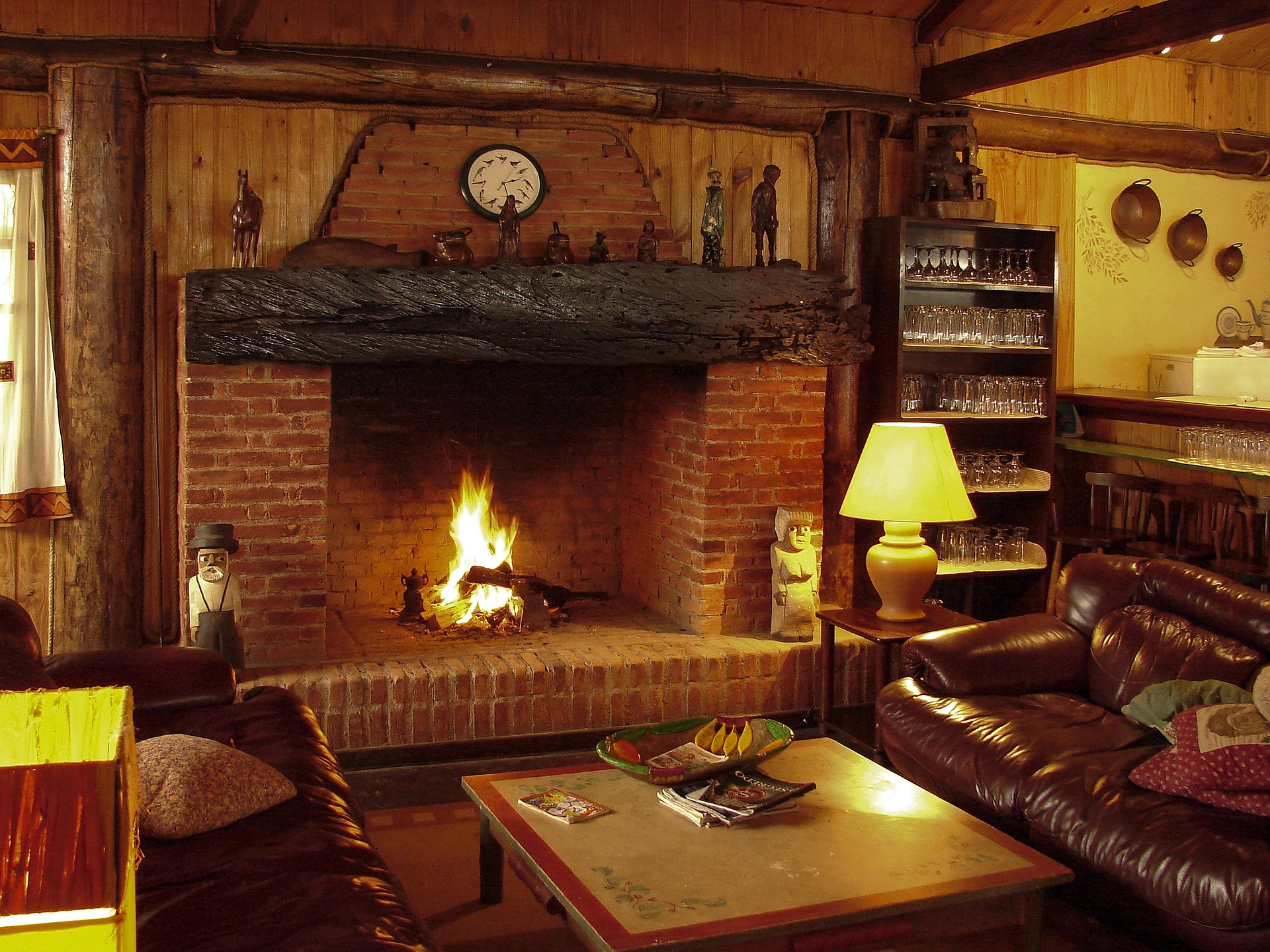
Outdoor stone fireplace with seating area.

Gutter Cleaning in Northern Virginia: Why It Matters and What It Costs

By Uncategorized

Quick Answer: Gutter Cleaning in Northern Virginia Clogged gutters are one of the leading causes of preventable water damage to Virginia homes. Professional gutter cleaning in Northern Virginia typically costs $100 to $250, depending on your home’s size, stories, and linear feet of gutter. Most single-story homes in Fairfax, Loudoun, and Prince William counties fall in the $125 to $175 range. Scheduling gutter cleaning twice a year — spring and fall — protects your foundation, siding, landscaping, and roof from costly water damage. Key Takeaways Professional gutter cleaning in Northern Virginia costs $100–$250 for most homes, with the price primarily…

Read More
Outdoor stone fireplace with seating area.

Chimney Waterproofing: Is It Worth It? Cost-Benefit Analysis

By Uncategorized

Quick Answer: Is Chimney Waterproofing Worth It? Yes — chimney waterproofing is one of the most cost-effective preventive measures you can invest in for your home. At $200 to $500, a professional waterproofing application prevents $2,000 to $15,000+ in water damage repairs to your chimney masonry, flue liner, firebox, and surrounding structure. In Northern Virginia’s freeze-thaw climate, water infiltration is the single greatest threat to chimney longevity. A single application lasts 5–10 years, making the annual cost of protection as low as $20–$50 per year. Key Takeaways Chimney waterproofing costs $200–$500 in Virginia, depending on chimney size, height, accessibility, and…

Read More
Professional chimney inspector examining a chimney in Arlington, Virginia.

Virginia Building Codes for Chimneys: What Homeowners Need to Know

By Uncategorized

Quick Answer: Virginia Building Codes for Chimneys Virginia follows the Virginia Uniform Statewide Building Code (VUSBC), which adopts the International Residential Code (IRC) as its foundation for residential construction. Key chimney code requirements cover clearance to combustibles (minimum 2 inches), flue liner requirements (mandatory for all masonry chimneys), chimney height (the 3-2-10 rule), and inspection standards based on NFPA 211. Any chimney construction, major repair, or new fireplace installation in Virginia requires a building permit and must comply with the current edition of the VUSBC. Key Takeaways Virginia’s chimney codes come from the VUSBC, which adopts the IRC. The IRC…

Read More
Compact wood stove in a modern apartment.

Gas Fireplace Chimney Maintenance: Do You Still Need Cleaning?

By Uncategorized

Quick Answer: Do Gas Fireplaces Need Chimney Cleaning? Yes — gas fireplaces need an annual professional inspection even though they don’t produce creosote like wood-burning fireplaces. Gas appliances create carbon monoxide, and any malfunction in venting can allow this odorless, invisible gas to enter your home. Chimney vents can become blocked by animal nests, debris, or corrosion. Internal components wear out over time. The NFPA recommends annual inspection of all chimney and venting systems regardless of fuel type. An annual gas fireplace inspection typically costs $99–$200 and could save your family’s life. Key Takeaways Gas fireplaces still require annual professional…

Read More
Luxurious marble fireplace in an elegant living room.

Creosote Buildup: Stages, Dangers, and Removal Guide

By Uncategorized

Quick Answer: How to Tell If Your Chimney Has Creosote Buildup Creosote is a dark, tar-like byproduct of wood combustion that accumulates inside your chimney flue. It develops in three stages — from light, flaky soot (Stage 1) to shiny, hardened glaze (Stage 3) that can ignite at temperatures as low as 451°F. The Chimney Safety Institute of America (CSIA) recommends cleaning when creosote reaches 1/8 inch thick. If you see dark flaking inside your firebox, notice a strong smoky smell when the fireplace is not in use, or have not had your chimney cleaned in over a year, you…

Read More
Classic fireplace decorated for the holidays.

Chimney Cap vs Chimney Crown: Differences, Costs, and When to Replace

By Uncategorized

Quick Answer: Chimney Cap vs Chimney Crown — What’s the Difference? A chimney cap is a metal cover (usually stainless steel or copper) that sits on top of each flue opening to keep out rain, animals, and debris. A chimney crown is the concrete slab that covers the entire top of the chimney structure around the flue tiles. The crown is the “roof” of your chimney’s masonry; the cap is the “hat” on top of the flue pipe sticking through that roof. Both components work together to protect your chimney from water damage. If either one fails, costly repairs follow….

Read More
fireplace

Best Chimney Sweep Companies in Northern Virginia (2025 Review)

By Uncategorized

Quick Answer: How to Choose the Best Chimney Sweep in Northern Virginia Look for CSIA certification, proof of liability insurance, verifiable customer reviews (100+), transparent upfront pricing with no hidden fees, and at least five years of experience serving the Northern Virginia and DC metro area. A trustworthy company will never pressure you into unnecessary repairs on the spot. Key Takeaways CSIA certification is the single most important credential — it confirms the technician has passed rigorous testing on chimney safety, codes, and best practices established by the Chimney Safety Institute of America. Not all chimney sweep companies carry adequate…

Read More
fireplace

Signs Your Chimney Needs Repair: 15 Warning Signs Homeowners Miss

By Uncategorized

Quick Answer: Signs Your Chimney Needs Repair The top five signs your chimney needs repair are white staining (efflorescence) on bricks, cracked or crumbling mortar joints, a damaged chimney crown, rust on the firebox or damper, and spalling or flaking bricks. If you notice any of these, schedule a professional inspection before the damage spreads. Key Takeaways Most chimney damage starts small and invisible. Hairline mortar cracks and minor crown damage can escalate into thousands of dollars in structural repairs if left untreated for even one season. Water is the number one enemy of your chimney. Over 90% of the…

Read More
Classic fireplace decorated for the holidays.

How Often Should You Get Your Chimney Cleaned? Expert Guide

By Uncategorized

Quick Answer: How Often Should You Get Your Chimney Cleaned? The National Fire Protection Association (NFPA 211) recommends that chimneys be inspected at least once per year and cleaned whenever creosote buildup reaches 1/8 inch or more. Most wood-burning fireplace owners need a professional cleaning every year before heating season begins. Key Takeaways Annual chimney inspections are the minimum — NFPA 211 requires at least one inspection per year for all chimney types, regardless of how often you use your fireplace. Cleaning is required when creosote reaches 1/8 inch — this is the threshold established by the Chimney Safety Institute…

Read More

Chimney Inspection Levels Explained: Level 1 vs Level 2 vs Level 3

By Uncategorized

Quick Answer: What Are the 3 Chimney Inspection Levels? Level 1 is a basic visual inspection of accessible areas, recommended annually. Level 2 adds video camera scanning of hidden flue interiors and is required during home sales or after changes to the system. Level 3 involves removing components or breaking into concealed areas to investigate suspected serious hazards. Each level builds on the previous one, increasing in scope, invasiveness, and cost. Key Takeaways Level 1 inspections are the standard annual checkup—visual only, no special tools, typically $100–$250. Level 2 inspections use video cameras to examine the full interior of the…

Read More